
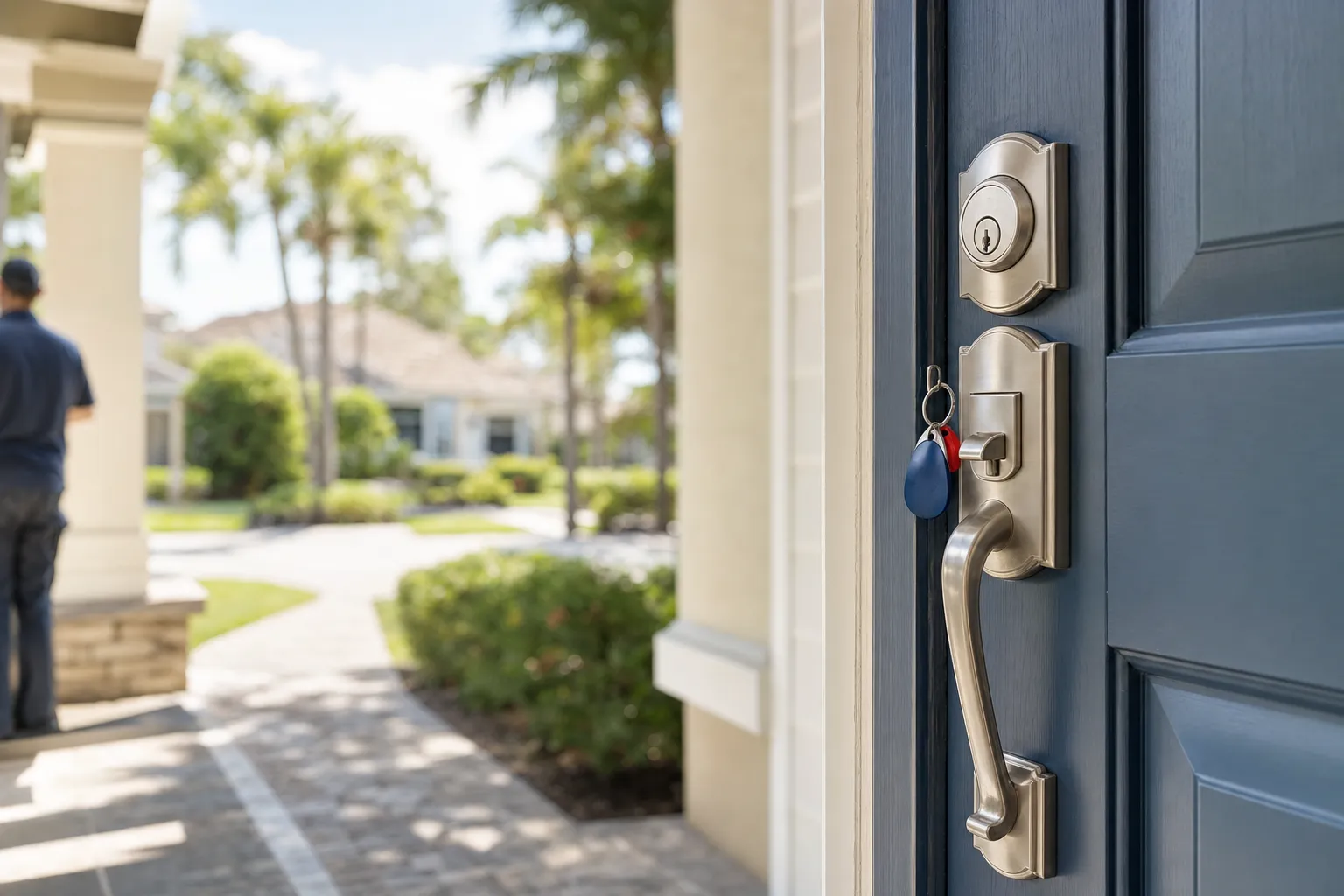
Short answer: the cylinder type determines the size, mounting method, and compatibility requirements we must plan for during a lock installation, and it often decides whether a simple rekey or a full replacement is the right option. We walk you through common cylinder types, how each one changes the installation process, and what to expect in Memphis Florida.
What a cylinder is and why it matters
A cylinder is the part of a lock that accepts a key and translates that key motion into locking or unlocking. Cylinders come in many designs, and each type affects mounting, door preparation, keyway compatibility, rekey options, and security features. When we evaluate a job we look at the cylinder first, because it tells us what parts fit, how much cutting or drilling is needed, and whether the existing door hardware is compatible with higher security options.
Common cylinder types you will see
Below are the cylinder types we encounter most often in residential and commercial work in the Bradenton and Memphis Florida area.
- Pin tumbler cylinder. The most common type in residential deadbolts and many commercial locks. It is usually rekeyable and available in many keyways and security levels.
- Euro profile cylinder. A long, narrow cylinder often used with multipoint door locks and uPVC doors. It requires correct length and may be asymmetric left to right.
- Mortise cylinder. Used with mortise lock cases in commercial doors and some older homes. Installation requires a mortise pocket in the door and precise alignment with the lock case.
- Rim cylinder. Typically used with surface mounted rim locks and older hardware. The cylinder projects from the face of the door and secures with a long screw through the lock.
- Interchangeable core cylinder, also called small format or large format cores depending on brand. Common in commercial master key systems because the core can be swapped without disturbing the housing.
- Tubular cylinder. Found in vending machines and some specialty locks. Not common for standard residential deadbolts.
How cylinder type changes the installation process
Different cylinder types change the installation in several predictable ways. We list what changes during planning and on the truck.
- Measurement and fitting. Cylinder length and backset matter. Euro profile cylinders need a length that matches door thickness and hardware. Mortise cylinders need correct projection to clear the escutcheon and operate the lock case. Incorrect length causes binding or exposes the cylinder to attack.
- Door preparation. Some cylinders fit into predrilled holes for bored cylindrical locks. Mortise installations need precise pockets cut into the door edge. Rim cylinders require a throughbolt and attention to the exposed exterior face of the door.
- Compatibility with trim and hardware. Trim plates, rose assemblies, and multipoint systems are made for specific cylinder profiles. Swapping a cylinder may require changing the escutcheon, tailpiece length, or even the whole lock body.
- Security features and reinforcement. High security cylinders may need reinforced strike plates, anti rotation collars, or longer screws. In coastal areas like Memphis Florida we also recommend corrosion resistant finishes when possible.
- Rekeying versus replacement. Some cylinders are easy to rekey on site, such as standard pin tumblers. Interchangeable cores and certain manufacturer proprietary cylinders may require ordering a replacement core or factory keying to change keys.
Key concepts to understand before a cylinder swap
- Keyway. The shape of the key entry. Different brands and security levels use different keyways, which affects key blank availability and whether multiple cylinders will use the same key.
- Cylinder length and projection. A cylinder must match the door thickness and the exterior trim to avoid excessive exposure or binding.
- Handing. Some cylindrical profiles are handed. Euro profile cylinders are often asymmetric and must be oriented correctly for left or right doors.
- Rekeyability. Not all cylinders can be rekeyed on site. Proprietary or high security cylinders sometimes require factory service or special tools.
- Security features. Look for anti bumping, anti pick, hardened cores, and drill resistant pins depending on the threat model for the property.
Comparison of common cylinder types and what they mean for installation
| Type | Typical use | Installation complexity | Rekey friendly |
|---|---|---|---|
| Pin tumbler | Residential deadbolts, many commercial locks | Low to moderate | Yes, commonly rekeyed on site |
| Euro profile | uPVC and multipoint doors | Moderate, length and handing matter | Depends on model, often replaceable |
| Mortise | Commercial storefronts, older residences | High, requires precise mortise work | Yes, with correct mortise cylinder |
| Rim cylinder | Surface mounted locks, older doors | Moderate | Often yes, simple cores |
| Interchangeable core | Commercial master key systems | Moderate, core removal tools required | Yes, designed for quick changes |
How local factors in Memphis Florida shape our recommendations
Memphis Florida sits in a coastal region with humid air and occasional salt exposure. That environment affects material choices and maintenance schedules. We favor corrosion resistant finishes and stainless hardware for exterior doors when appropriate. For rental properties and HOAs we also consider locksmithing practices that reduce callbacks, such as specifying interchangeable cores or cylinder guard plates to prevent tampering.
We also tailor cylinder choices to the typical door types we see across Bradenton, Sarasota and surrounding neighborhoods. If a property has multipoint lock entry on a patio door, a euro profile cylinder is likely required. Older commercial storefronts often use mortise cylinders that need an experienced installer for accurate alignment.
Checklist for choosing the right cylinder
Before we start a cylinder replacement or installation
- Confirm the door type and material, for example solid wood, metal, or uPVC.
- Measure door thickness and existing cylinder length and projection.
- Identify the current keyway and whether a master key system is in use.
- Decide whether rekeying is acceptable or a new keyway or higher security cylinder is required.
- Check for corrosion or wear from coastal exposure and specify finishes accordingly.
- Verify backup parts are available for the chosen cylinder manufacturer.
Pro tip: If you are managing multiple units, consider interchangeable core cylinders. They let you remove and replace cores quickly without changing the entire lock hardware, which saves time for future rekeying needs.
Watch out: Some high security and manufacturer proprietary cylinders cannot be rekeyed with common tools. Replacing these cylinders may require ordering a new core or contacting the manufacturer for keying records. We check this before any work begins.
When a cylinder swap is a simple job and when it is not
We often can swap a same profile cylinder quickly if the new core matches the existing keyway and length. That is a common approach for a homeowner who wants a new key or to change keys after moving into a property.
Complexity increases when the new cylinder has a different profile, when the door requires a mortise pocket, or when trim and escutcheons are incompatible. Commercial jobs with master keying, restricted keyways, or integrated access control require additional planning and sometimes coordination with property managers or fabricators.
Related services that interact with cylinder choice
We coordinate cylinder work with other services depending on the situation.
- Lock Installation Service, when a new lockset or deadbolt is needed along with the cylinder.
- Rekey Locks, often paired with cylinder assessment to see if rekeying is feasible.
- Emergency Lockout Service, where rapid access needs may limit which cylinder work can be done immediately.
Helpful resources and where we look for technical details
When we need manufacturer specifications or best practice guidelines we consult technical pages from lock manufacturers and industry references. For general locksmithing fundamentals a university extension or trade school overview can be useful. For labor and industry trends the Bureau of Labor Statistics provides occupational information that helps with workforce planning.
Useful external references we use as needed include manufacturer cylinder specifications and technical bulletins, university or industry training material that explains lock components, and the U.S. Bureau of Labor Statistics locksmith occupational profile for context.
Key takeaway
Cylinder type is one of the first things we evaluate because it defines the fit, the tools we bring, and whether rekeying is possible. Choosing the right cylinder reduces callbacks, improves security, and ensures the lock works smoothly for the life of the door.
Frequently asked questions
Can we rekey any cylinder to match existing keys?
Not always. Standard pin tumbler cylinders are often rekeyable on site. Some proprietary or high security cylinders are not designed for field rekeying and need replacement cores or factory service. We check the cylinder model and keyway before recommending rekeying or replacement.
How important is cylinder length for a safe installation?
Very important. A cylinder that is too short may not reach the lock mechanism, and one that is too long leaves the cylinder exposed and vulnerable. We measure door thickness and hardware projection and select the correct cylinder length to avoid binding or security risks.
Do euro profile cylinders work with multipoint locks on patio doors?
Yes, euro profile cylinders are commonly used with multipoint locking systems on uPVC and composite doors. They must be the correct length and handing for the door. We confirm compatibility with the multipoint mechanism before installation.
Are some cylinders better for coastal homes?
Yes. For coastal areas like Memphis Florida we recommend corrosion resistant finishes and stainless steel components for exterior cylinders and hardware. Salt air accelerates corrosion, so material choice and maintenance matter more in these locations.
What is interchangeable core and when is it a good idea?
Interchangeable core systems let you remove and replace the core quickly without changing the lock housing. They are useful for property managers and commercial settings because rekeying or replacing access due to turnover is faster and causes less disruption.
Learn more and check our local listing
Read customer reviews and get directions on our Google Business Profile, and learn more about cylinder options on our Cylinder Types page. If you want details about fitting a specific lock, see our Lock Installation Service page or find local service information for Memphis Florida on our location page.
Cylinder Types | Lock Installation Service | Memphis Florida location page