
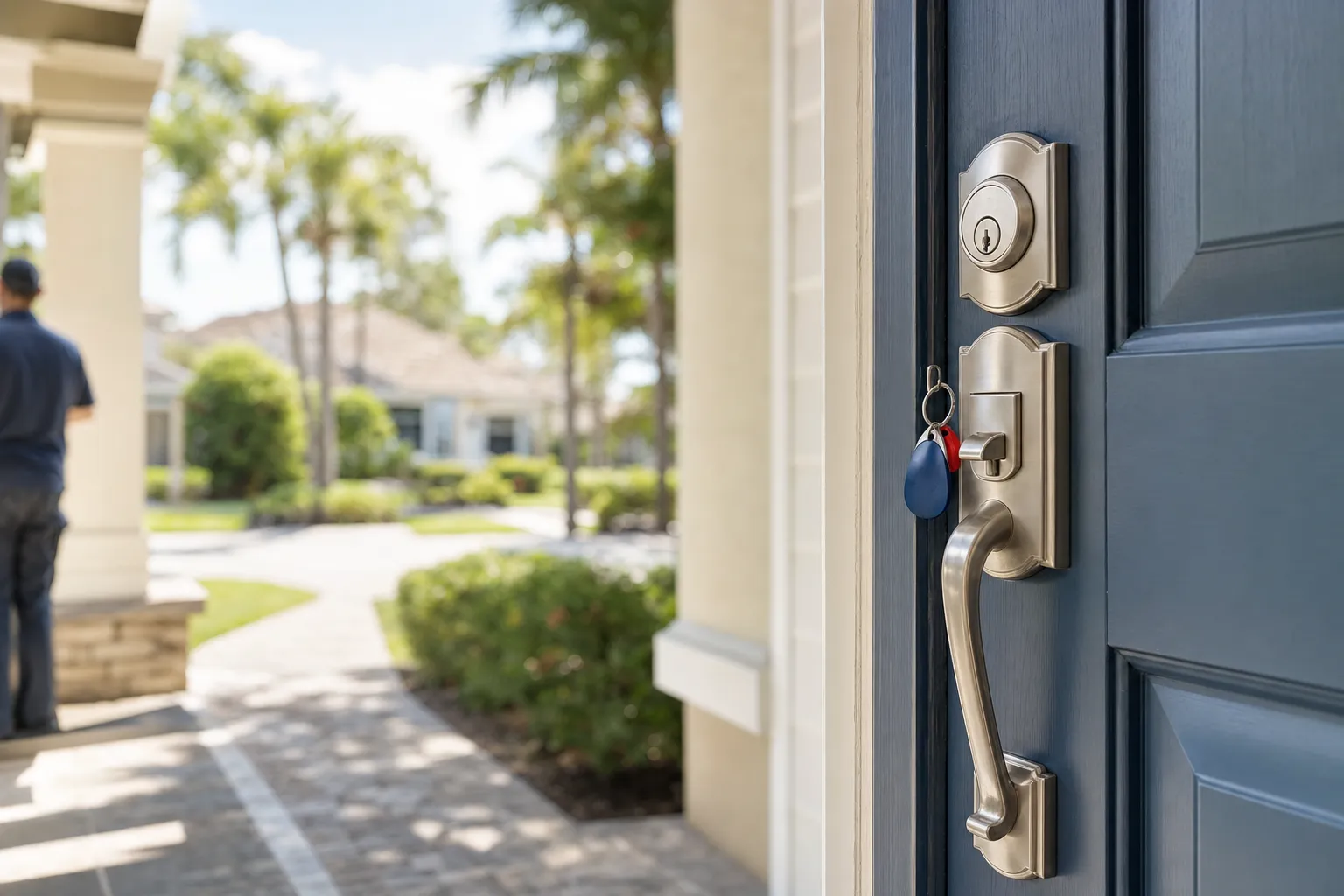
When an urgent lockout happens, an emergency access protocol is a clear plan that tells us who may enter, how we verify authorization, and which routes and tools we use to gain safe access without damaging the property. At Master Lockey we design and follow these protocols for homes, businesses and vehicles to speed response while protecting security and liability.
What an emergency access protocol is
An emergency access protocol is a written set of steps and rules used when someone needs immediate access. It covers authorization, identification, access methods, documentation, and who is responsible for each action. The protocol can be as simple as a homeowner authorization form or as formal as an entry roster and electronic override procedure for commercial properties.
For vehicle incidents the protocol is shorter but equally strict, focusing on owner verification, vehicle identification, and safe entry techniques that avoid damage to the ignition or door hardware.
Why a clear protocol matters in Palmetto and nearby neighborhoods
Local factors change how we write and use protocols. In Palmetto Florida and surrounding neighborhoods like Bradenton and Memphis Heights, quick response times matter because many residents need same day resolution for lockouts, and commercial properties need minimal downtime.
We also consider regional concerns such as rental turnover in Manatee County, gated communities in Braden Castle, and frequent vehicle traffic along US routes when planning routes and staging equipment. A protocol that fits local rhythms reduces the risk of property damage, confusion at the scene, and disputes about authorization.
Key concepts you should know
- Authorization. Who can request access, and how we confirm their right to enter.
- Verification. Documents, photo ID, or preapproved key lists we use to confirm identity.
- Access methods. Non destructive entry, authorized key use, electronic overrides, and secure key retrieval.
- Record keeping. Time stamped notes, photos when appropriate, and receipts that show who authorized the entry.
- Liability and consent. How consent is documented and when we require property owner presence or written permission.
- Escalation. When we pause and seek additional verification, for example with HOAs or property managers.
What a reliable protocol includes
We recommend protocols include these practical elements. They make emergency entry fast, defensible, and safe.
Core checklist for an emergency access protocol
- Named authorized contacts and secondary contacts.
- Acceptable forms of identification and authorization, for example government ID and account numbers.
- Preapproved key holders and a secure log of stored keys if used.
- Written instructions for alarm disarm and rearm if applicable.
- Guidance on when to call law enforcement or property management first.
- Post entry documentation and photos when appropriate.
How we verify authorization during an emergency
Verification must be quick and reliable. Our technicians follow a tiered approach that balances speed and caution. Typical verification steps are:
- Basic check. Request a photo ID and compare name to the account or rental agreement when available.
- Secondary confirmation. If the caller is not present, we ask for account numbers, property manager confirmation, or a preapproved access code.
- Third party verification. For commercial properties we contact the listed building manager or use an established entry roster before proceeding.
When verification fails or is ambiguous we pause and explain options to the caller, because proceeding without clear authorization increases liability for everyone.
Common protocol choices and trade offs
Different settings require different trade offs between speed and security. Below are common options we see and how to weigh them.
| Option | When it helps | Trade offs |
|---|---|---|
| On site key safe with code | Fast access for trusted users, useful for property managers | Risk of code sharing, needs regular code changes |
| Controlled key storage with sign out log | Better accountability, good for small businesses | Slower access, needs strict record keeping |
| Electronic access override | Fast, minimal physical wear, integrates with alarms | Requires compatible hardware and reliable power or network |
How we handle special situations
Not every lockout is the same. These situations change how we act and what we document.
- Renter lockouts. We ask for the leasing agreement or confirmation from property management before entry.
- HOA rules and gates. We follow HOA entry rules and coordinate with on site contacts when needed.
- Commercial premises after hours. We verify on site emergency contacts and log entry for the business owner.
- Vehicles. We verify ownership with registration or keys on file and avoid techniques that risk ignition damage. For vehicle assistance see our Car Key Replacement page for related services.
Related services we coordinate with
Emergency access protocols often touch other locksmith services. We regularly work with these services to provide an integrated solution.
- Emergency Lockout Service, for same day lockout response and non destructive entry.
- Rekeying and lock changes, when authorization leads to a security update after a lockout.
- Key Fob Programming and Car Key Replacement, for vehicle access control tied to protocol rules.
How protocols differ for homes, rentals and businesses
Home protocols are usually owner centered and simple. Rental properties need documented transfers of access when tenants change. Businesses require formal rosters, audit trails, and sometimes integration with electronic access control.
We can explain which elements make sense for your property type when we review your situation on site. For a longer discussion about preparing for lockout situations see our resource on emergency preparedness.
Local considerations and logistics
Serving Palmetto and the Bradenton area, we factor in typical traffic patterns, gated community procedures, and property manager expectations. For location specific support see our Bradenton, Florida information page.
We stage tools and parts in our mobile vans to match local needs so we can resolve many issues on the first visit. That reduces repeat visits and saves time for property managers and homeowners alike.
For a full list of where we serve, see our service pages and locations list in the services area of the site.
Pro tip: If you manage multiple rental units, keep a secure, centralized list of authorized contacts and an electronic copy of tenant agreements. That makes verification faster during an emergency and reduces disputes.
Standards, training and liability
Professional locksmiths follow industry best practices for verification and entry. The Associated Locksmiths of America publishes guidance on safe, ethical locksmithing techniques, and manufacturers supply installation and service recommendations for locks and electronic devices. For general workforce and occupational data, the Bureau of Labor Statistics tracks locksmith and safe repairer occupations, which helps estimate local labor availability and training norms.
We train our technicians to document every emergency entry and to follow the authorization steps described earlier. Clear documentation protects property owners, occupants, and our technicians if questions arise after the event.
Helpful resources and references
Further reading and authoritative sources we use when designing protocols include industry standards and occupational data. Examples:
- Associated Locksmiths of America guidelines for locksmith practice, for professional standards and ethics: https://www.aloa.org/
- Bureau of Labor Statistics occupational profile for locksmiths and safe repairers, for workforce and training context: https://www.bls.gov/ooh/installation-maintenance-and-repair/locksmiths-and-safe-repairers.htm
Common questions customers ask about emergency access protocols
Below are quick answers to the questions we get most often.
- Who can authorize entry if the owner is not on site? A named property manager, a person on a preapproved list, or a person who can supply predefined account or lease details.
- Will you force entry if I do not have a key? We prefer non destructive methods. If damage is unavoidable and authorization is clear, we explain options and document the decision.
- Do you contact law enforcement? If there is a safety concern or a reported break in, we will involve law enforcement before proceeding.
Frequently asked questions
What documents do I need to let you in when I am not there?
We accept government photo ID paired with proof of ownership or property management confirmation. A signed authorization or an account number on file speeds verification for recurring clients.
Can a renter call you for a lockout?
Renter lockouts require landlord or property manager confirmation for us to proceed in most cases, unless the rental agreement or account on file specifically authorizes tenants to request entry.
How do electronic locks change the protocol?
Electronic locks often provide audit logs and remote override keys. Protocols should define who controls codes, how often codes are rotated, and who can request remote access changes. Integration with alarms requires clear steps for arming and disarming.
What should an HOA include in its protocol for vendor access?
An HOA protocol should list approved vendors, establish a verification workflow, and specify times and gates for access. The protocol should also require written records of who authorized access and why.
Key takeaway
A good emergency access protocol makes authorization clear, speeds verified entry, and protects property and people. For homes, rentals, and businesses in Palmetto and the Bradenton area, tailor the protocol to your property type, document authorization rules, and keep records of every entry.
Where to go next
Read the Google Business Profile for Master Lockey to see customer reviews and get directions. For more on services related to emergency access, visit our Emergency Lockout Service page, and for planning and preparedness resources see our Emergency Preparedness topic page.